Which destinations offer the best balance between a change of scenery, accessibility, and memorable experiences in 2026? The habits of French travelers are evolving: proximity travel is gaining ground, the mountains are attracting an increasing share of vacationers in summer, and immersive stays are gradually replacing checklist tourism. This ranking of 10 destinations is based on these recent trends to provide concrete choices, from France to Southeast Asia.
1. French Alps: the mountains as a summer refuge
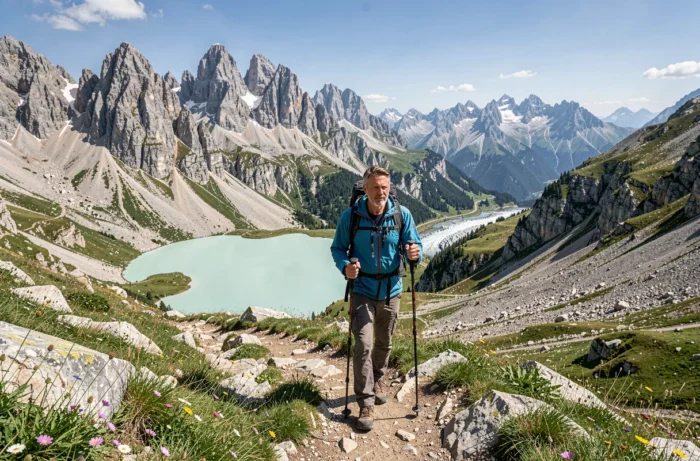
The French mountains have established themselves as a major alternative to overheated beach destinations. The summer of 2026 confirms this: 65.8% occupancy rate in the mountains, up 2.5% from 2025, with a 12% increase in visitors in July and 16% in August.
The Alps offer the most structured options for family or sports stays. Hiking, mountain biking, swimming in high-altitude lakes: there are plenty of activities. Accommodations are often more affordable than those by the sea during the high season.
For those wishing to explore travel on 1 Voyageur, mountain circuits provide a solid starting point before considering more distant destinations.
2. Mainland Greece and the Dodecanese Islands
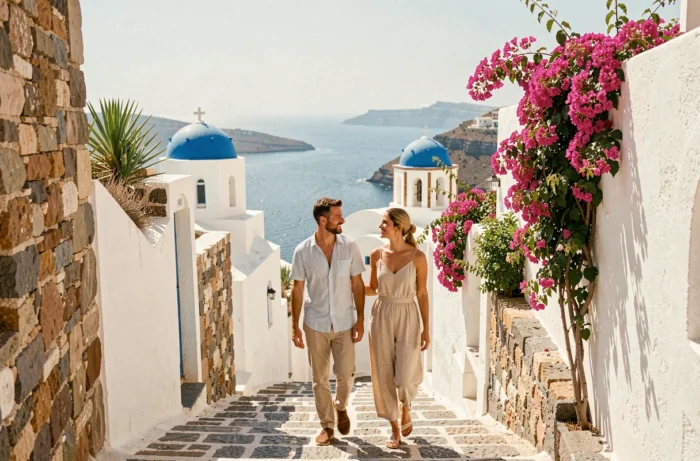
Greece remains a safe bet in Europe, but the most frequented islands (Santorini, Mykonos) suffer from overcrowding. The Dodecanese (Rhodes, Karpathos, Symi) offers the same architectural heritage and light, with significantly less tourist pressure.
The mainland is also worth a detour. The Peloponnese combines archaeological sites, mountain villages, and coves accessible without a ferry. A ten-day stay allows for encountering few crowds, even in July.
3. Sri Lanka: diverse landscapes on a compact island
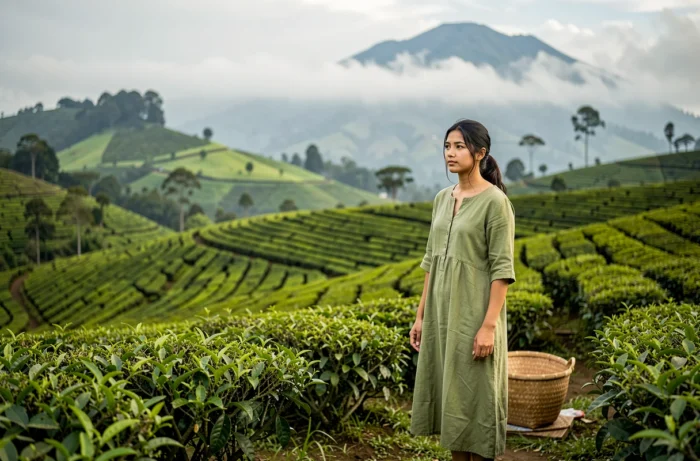
Sri Lanka concentrates an unmatched variety of landscapes in a small territory: tropical coast, high-altitude tea plantations, national parks, and UNESCO-listed Buddhist sites. The compactness of the island allows for a radical change of scenery within a few hours of driving.
The value for money remains among the most favorable in South Asia. Accommodation, dining, and internal transportation costs significantly less than in Thailand or Bali.
4. Southern Italy: Puglia and the Amalfi Coast off-season
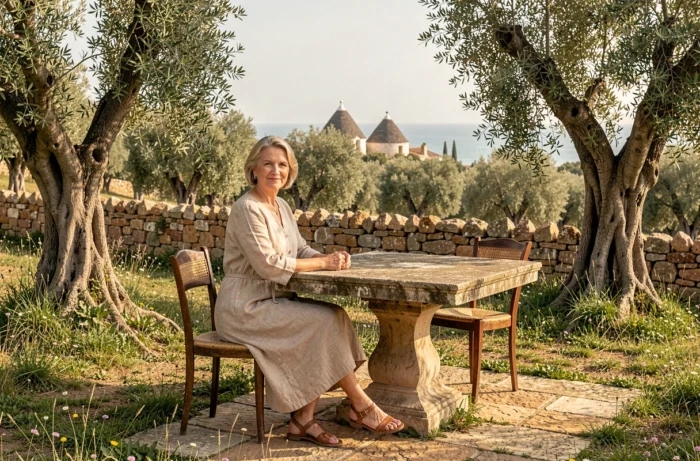
Southern Italy is a nearby destination accessible within a few hours from France. Puglia, still relatively untouched by mass tourism, combines vernacular architecture (trulli of Alberobello), local cuisine, and uncrowded beaches in June or September.
The more famous Amalfi Coast is best visited off-peak. A shift of a few weeks radically changes the experience: less congested roads, lower accommodation prices, pleasant temperatures.
5. Brittany and Normandy: embracing proximity travel
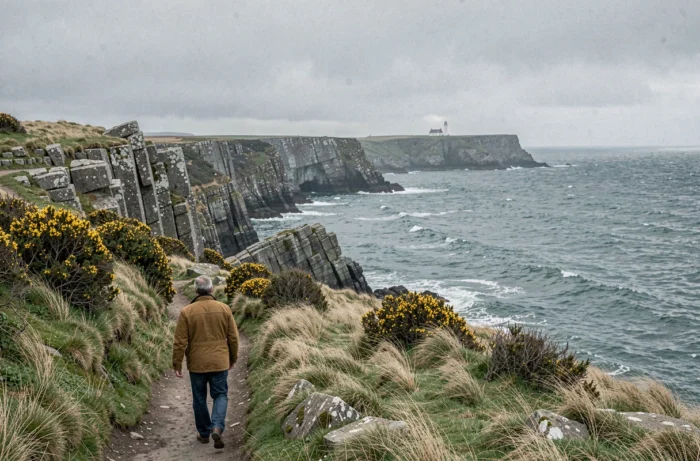
The 2026 figures confirm a shift of the French towards domestic destinations. Brittany and Normandy directly benefit from this trend, supported by more temperate summer temperatures than in the south of France.
The Breton coastline offers a density of remarkable natural sites within a small area: Crozon Peninsula, Pink Granite Coast, Gulf of Morbihan. Normandy adds a historical dimension (D-Day beaches, Mont-Saint-Michel) and a vibrant culinary scene.
6. Japan: cultural immersion and frictionless logistics
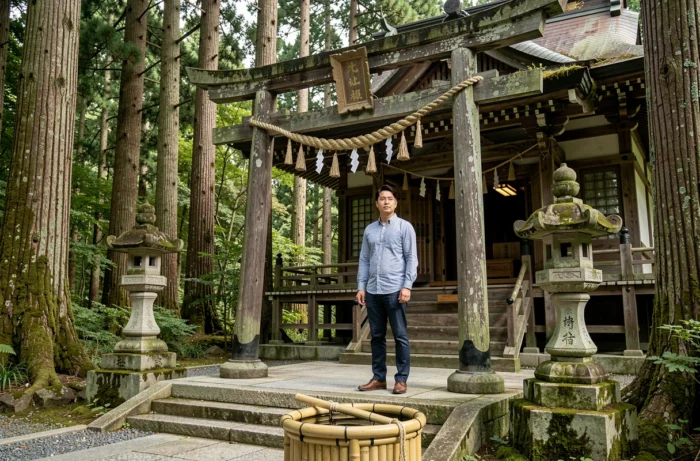
Japan features in most destination rankings, and for a measurable reason: the quality of its transport network, safety, and linguistic accessibility (widespread bilingual signage) make it one of the easiest countries to navigate independently.
Beyond Tokyo and Kyoto, rural regions (Shikoku, Tohoku, Japanese Alps) offer immersive experiences often overlooked by classic tours. A two-week stay allows for a combination of urban life, nature, and heritage without a frantic pace.
7. Iceland: active geology and low tourist density
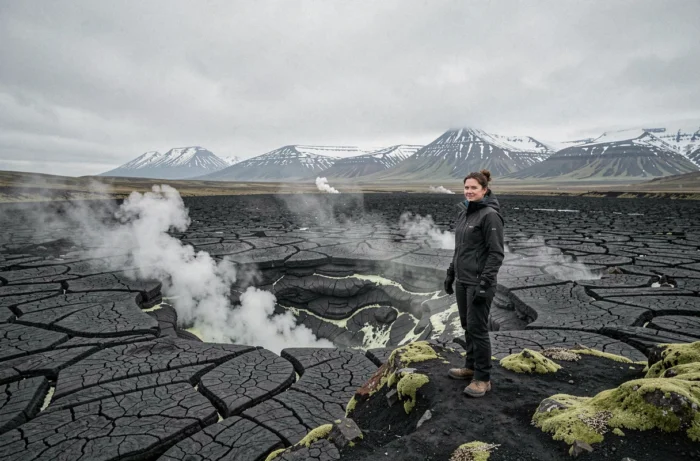
Iceland remains a unique case in Europe. Geysers, glaciers, black sand beaches, northern lights in winter: each season offers a different spectacle. The population density is among the lowest in Europe, ensuring landscapes without crowds, even in summer.
The cost of living there is high. A trip to Iceland requires a budget above the European average, but the trade-off is a radical change of scenery within less than four hours of flight from Paris.
8. Portugal: Alentejo and Azores rather than Lisbon
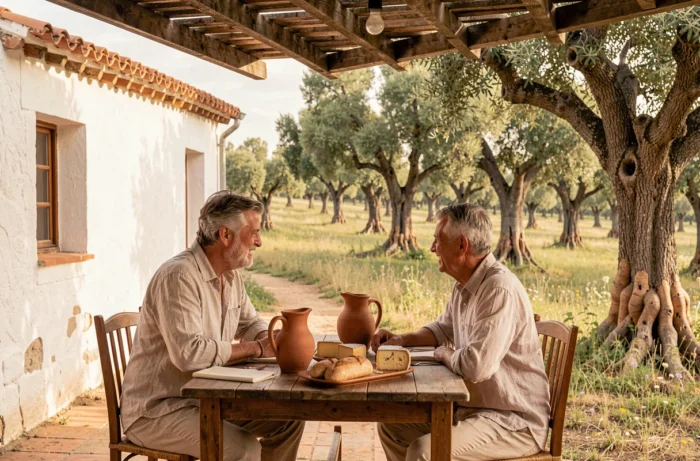
Portugal benefits from direct accessibility from France and a moderate cost of stay. The Alentejo, south of the Tagus, offers authentic rural tourism: vineyards, medieval villages, wild beaches of the Vicentine coast.
The Azores, a volcanic archipelago in the middle of the Atlantic, attract travelers seeking preserved nature. Hiking, whale watching, hot springs: the range of activities is dense for such a compact territory.
9. Peru: from Machu Picchu to the Andean highlands
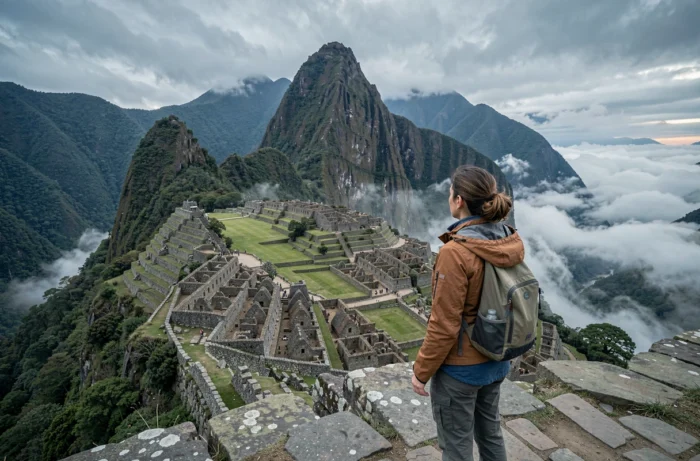
Peru combines major historical heritage and geographical diversity. Machu Picchu remains a standout site, but the country offers much more: Colca Canyon, Lake Titicaca, and the Amazon rainforest accessible from Cusco.
Altitude is the main logistical constraint. Cusco sits at over 3,400 meters, and acclimatization requires at least two days on-site before any high-altitude excursions.
10. Norway: fjords and Arctic light
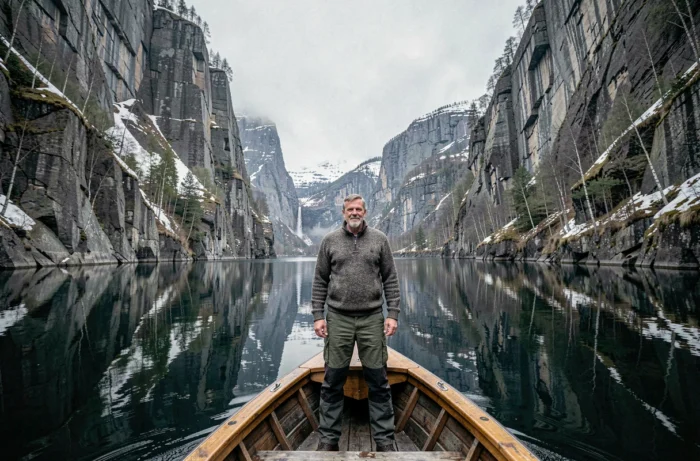
Norway offers unparalleled fjord landscapes in Europe. The Lofoten Islands, accessible by ferry or plane from the mainland, concentrate the most spectacular panoramas within a small area.
In summer, the midnight sun allows for extended hiking days. In winter, the northern lights attract a different audience. The cost remains the main barrier, comparable to that of Iceland, but camping and cabin infrastructures reduce accommodation costs.
| Destination | Type | Main Advantage | Constraint |
|---|---|---|---|
| French Alps | Mountain, France | Summer refuge, moderate prices | Variable weather |
| Greece (Dodecanese) | Islands, Europe | Heritage, low crowding | Ferry access |
| Sri Lanka | Island, Asia | Value for money | Long-haul flight |
| Southern Italy | Coast, Europe | Proximity, cuisine | Summer heat |
| Brittany-Normandy | Coast, France | Temperate climate, nature | Possible rain |
| Japan | Archipelago, Asia | Logistics, immersion | High budget |
| Iceland | Island, Europe | Unique landscapes | Cost of living |
| Portugal (Alentejo-Azores) | Coast-archipelago, Europe | Accessibility, prices | Isolation (Azores) |
| Peru | Mountain-jungle, America | Heritage, diversity | Altitude, acclimatization |
| Norway | Fjords, Europe | Landscapes, light | High budget |
The choice of a destination depends as much on budget and season as on the type of experience sought. The 2026 data shows a clear shift towards proximity and the mountains, but distant destinations like Japan or Sri Lanka retain their appeal for long stays. The table above allows for a quick comparison of the trade-offs to be made according to your priorities.